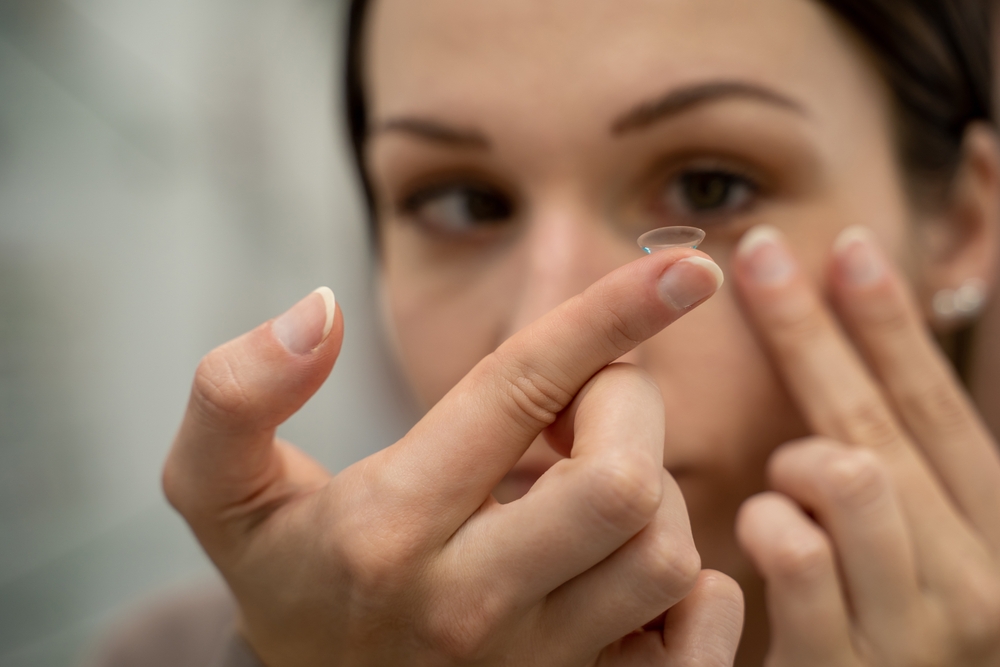
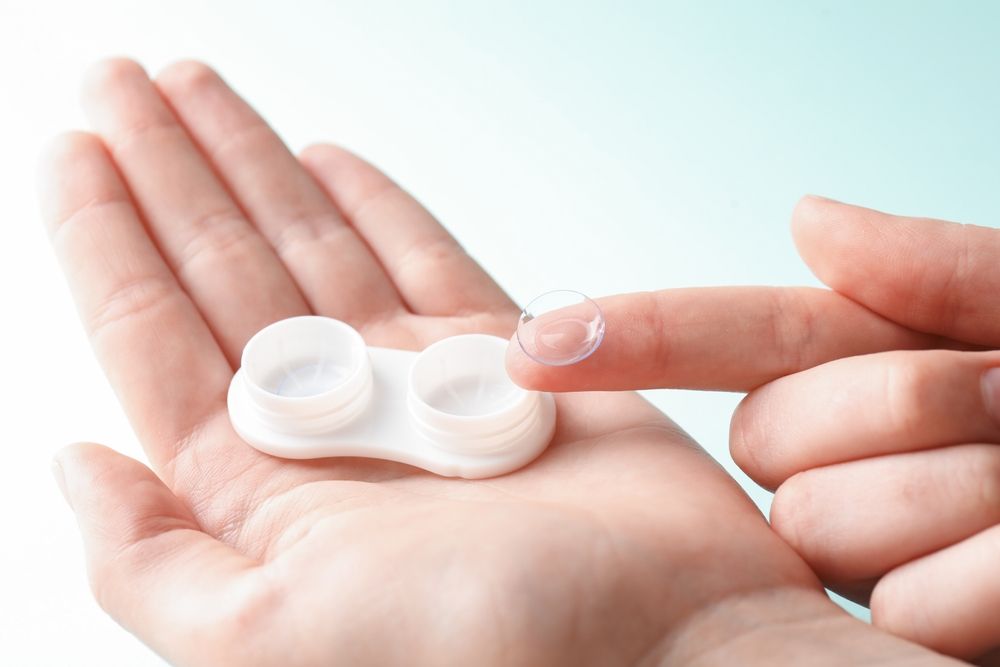
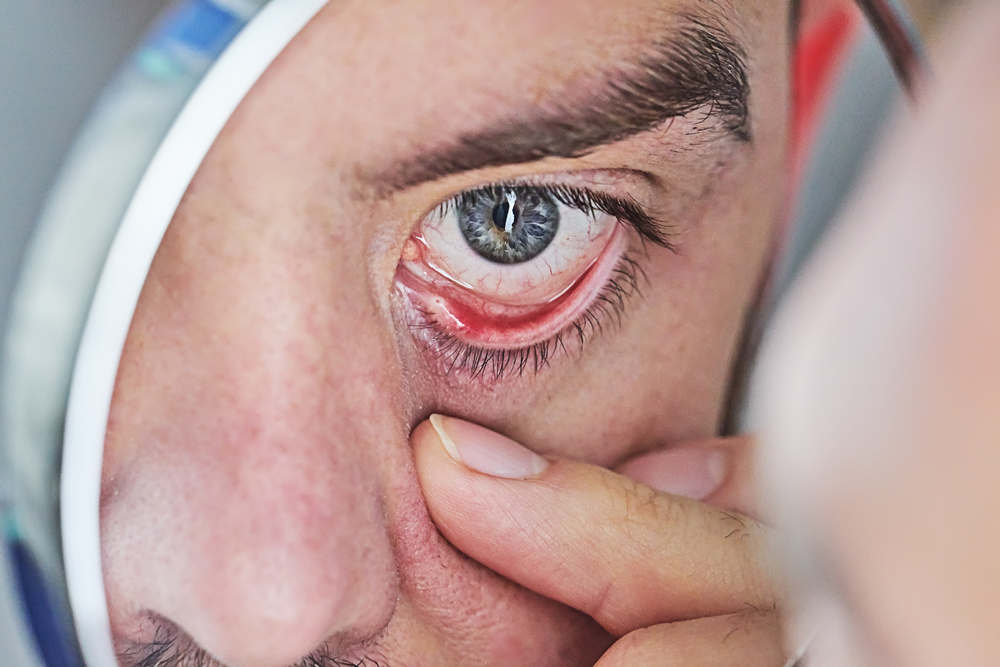
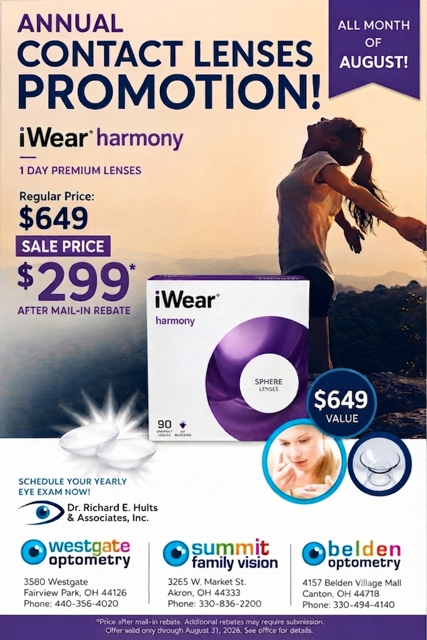
Wearing contact lenses should feel comfortable, stable, and clear. For some patients, however, regular soft contacts do not provide the right fit or vision quality. If your lenses shift, dry out, blur, or feel irritating by the end of the day, you may be considered hard-to-fit.
Diabetes can affect the eyes slowly, often before noticeable vision changes appear. That is why regular diabetic eye exams are an important part of protecting long-term eye health. With early detection, our eye doctors can look for signs of diabetic eye disease, monitor changes in the retina, and help patients take the right steps before vision problems become more serious.
Age-related macular degeneration, or AMD, affects the macula - the part of the retina responsible for sharp central vision. It becomes more common with age and can make everyday tasks like reading, driving, and recognizing faces more difficult. AMD does not usually cause complete blindness, but it can significantly affect quality of life if it is not monitored and managed.
Wearing contact lenses can be a convenient way to enjoy clear vision, but proper care is essential for comfort, eye health, and lens performance. Good contact lens habits help reduce irritation, dryness, blurry vision, and the risk of infection.
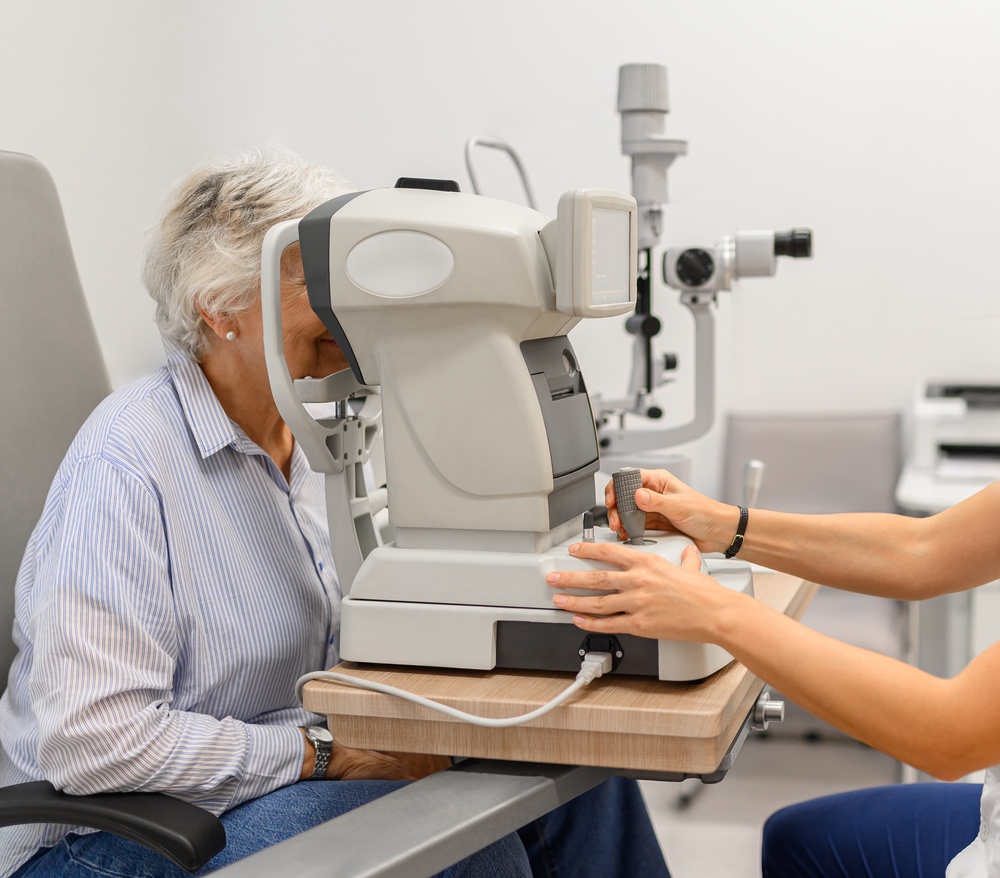
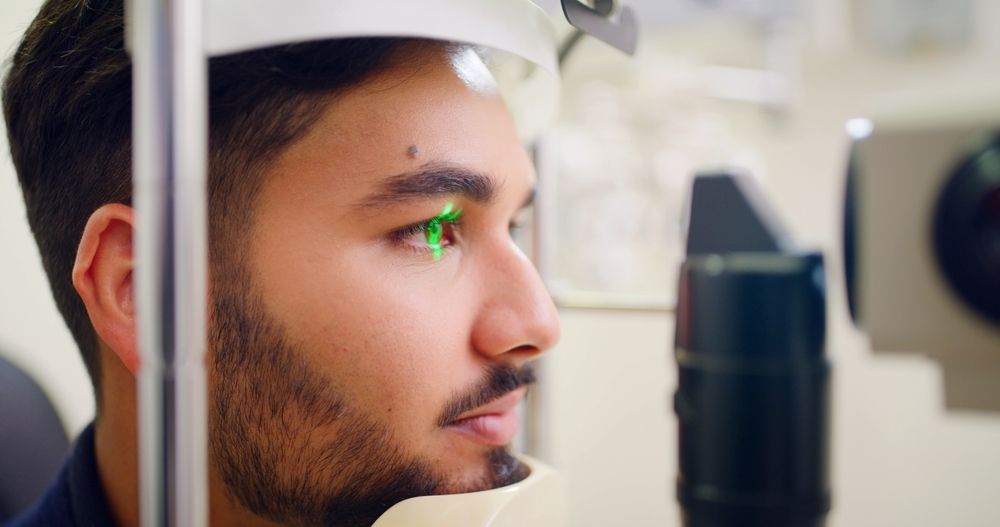
At Dr. Richard E. Hults & Associates, protecting your long-term vision is our top priority. While checking your prescription is an important part of your visit, a truly comprehensive eye exam goes much deeper. That’s why we include Optomap retinal imaging as part of every eye exam.
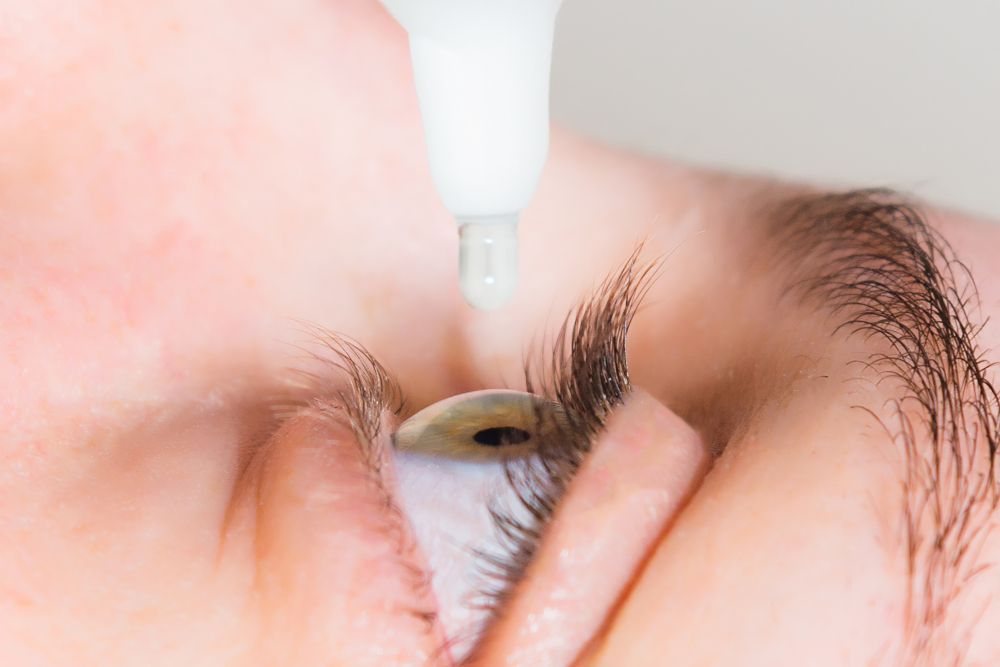
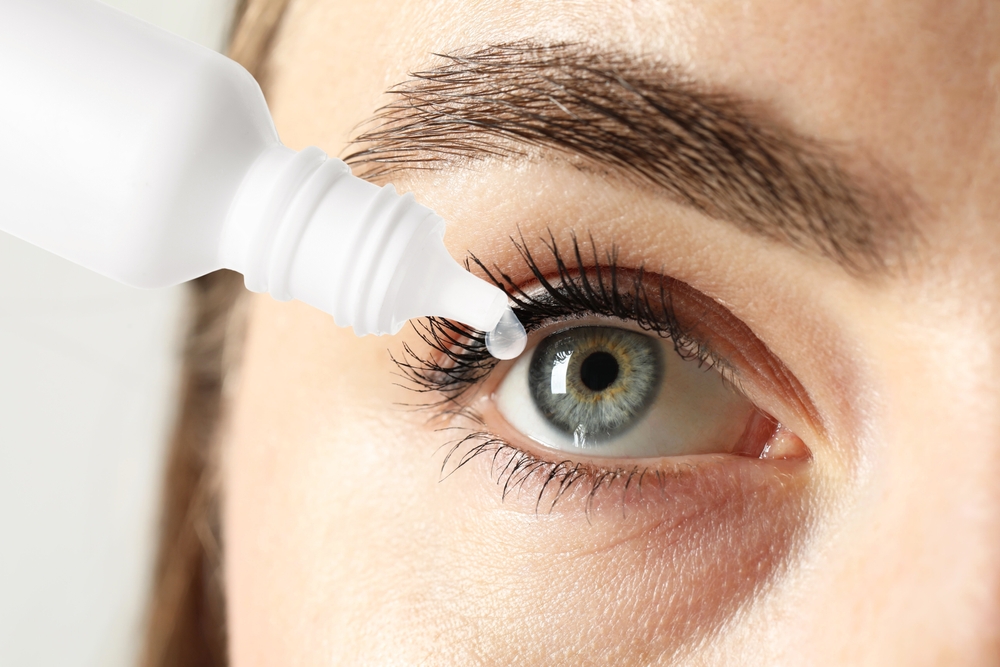
Artificial tears are often the first line of defense against dry, irritated eyes. But with so many options on the shelf, one of the most important differences between them is viscosity, or thickness.
One of the leading causes of vision loss among older adults is macular degeneration, a condition that affects the central part of the retina responsible for clear, detailed sight. Because macular degeneration can progress gradually, recognizing the warning signs early is key to protecting your vision and maintaining your quality of life.
One of the most serious eye complications related to diabetes is diabetic retinopathy, a condition that develops when high blood sugar damages the tiny blood vessels in the retina. Over time, this damage can cause vision problems and even lead to blindness if left untreated. Understanding the different stages of this condition can help you take the right steps to preserve your vision and protect your long-term eye health.
Dry eye is one of the most common conditions we see in our office, and it often causes discomfort, blurred vision, and a constant need for relief. One of the first treatment options many people try is over-the-counter artificial tears. These drops come in different consistencies, or viscosities, which can make a big difference in how they feel and how well they work.
Diabetic eye disease is a group of conditions that can lead to vision loss or even blindness if left untreated. One of the biggest challenges with diabetic eye disease is that it often develops silently - without noticeable symptoms in its early stages. At Dr. Richard E. Hults & Associates, we’re committed to helping you preserve your vision and manage your eye health proactively.